
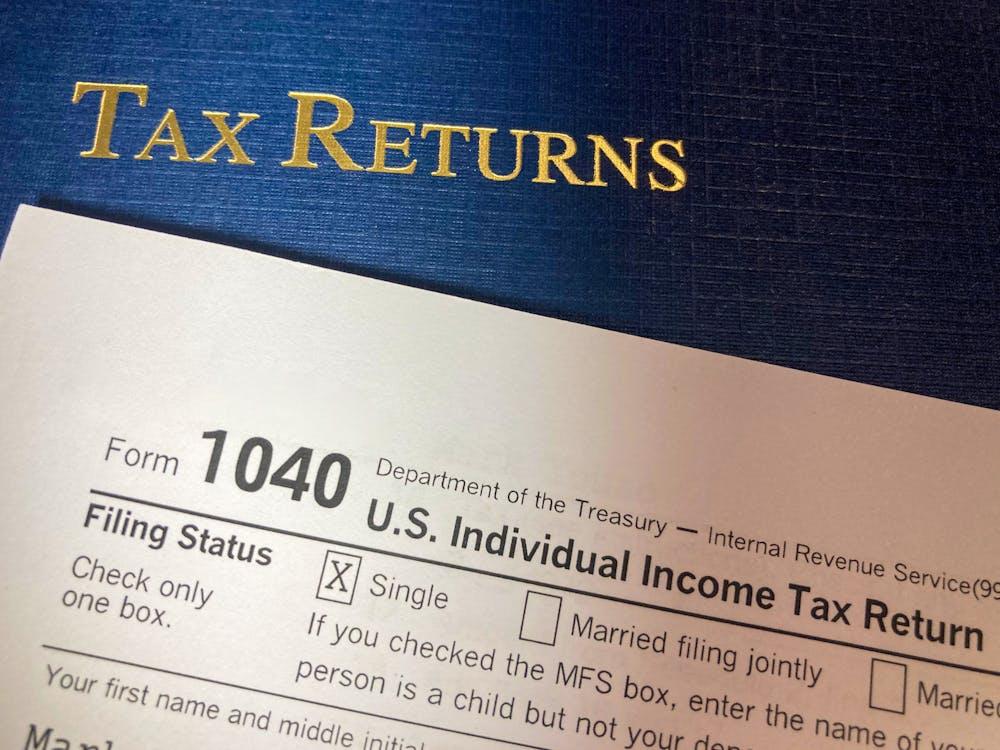
Tax season offers a clear snapshot of annual spending, including healthcare costs that may have gone unnoticed throughout the year. Reviewing receipts, deductibles, and out-of-pocket payments can reveal patterns that shape future decisions. For individuals evaluating Medigap after taxes, this financial review provides valuable insight into whether consistent monthly premiums may offer better long-term value than unpredictable healthcare expenses.
Healthcare is not just a necessity; it is also a financial consideration that impacts retirement planning. The decision between predictable costs and variable expenses often becomes more apparent after reviewing a full year of spending data.
Healthcare as a Financial Asset
Healthcare coverage functions similarly to other financial tools. It involves balancing risk, cost, and predictability. When viewed as an asset, insurance is not only about protection but also about managing long-term expenses.
Medigap plans offer a structured approach to healthcare spending. Instead of fluctuating costs tied to each service, these plans focus on consistent premiums that reduce unexpected financial strain. This structure allows individuals to plan with greater confidence.
Those reviewing Medicare supplement options often compare this predictability to other insurance models where costs vary depending on usage. In many cases, individuals find that aligning healthcare coverage with financial planning goals creates a more stable retirement strategy.
Additionally, treating healthcare as an asset encourages proactive decision-making. Rather than reacting to medical bills as they arise, individuals can anticipate costs and incorporate them into long-term planning.
Understanding Variable vs. Fixed Healthcare Costs
Variable healthcare costs can create uncertainty. Doctor visits, hospital stays, and specialist care may lead to expenses that are difficult to predict. Over time, these fluctuations can add up, especially for individuals managing ongoing health conditions.
Fixed costs, such as Medigap premiums, provide a stable monthly expense. While the upfront cost may appear higher, the reduction in unexpected bills can create a more balanced financial picture.
Comparing these two approaches using actual tax data helps clarify which model aligns better with personal financial goals. It also highlights how even occasional medical events can significantly impact total yearly spending under a variable model.
Understanding this difference allows individuals to make more informed decisions about how they want to manage risk in retirement.
Using Tax Data to Evaluate Spending Patterns
Tax records often include detailed healthcare expenses, including premiums, prescriptions, and medical visits. Reviewing this information provides a full picture of yearly spending.
By organizing these costs into categories, individuals can identify trends. For example, frequent specialist visits or recurring treatments may indicate higher ongoing expenses. These patterns help determine whether a predictable premium model would reduce overall financial stress.
Individuals reviewing Medicare supplement plans often use this data to compare estimated future costs with past spending. This comparison can reveal whether current coverage aligns with actual healthcare usage.
It is also helpful to separate one-time expenses from recurring costs. This distinction allows for a clearer understanding of what expenses are likely to continue in future years.
Identifying Hidden Out-of-Pocket Costs
Tax summaries often highlight major expenses, but smaller out-of-pocket costs can go unnoticed throughout the year. These may include copays, coinsurance, lab fees, or unexpected billing adjustments that are not always grouped. When combined, these smaller expenses can significantly impact total healthcare spending.
Reviewing bank statements alongside tax records can provide a more complete picture. Identifying these hidden costs helps individuals understand how frequently they occur and whether a more predictable coverage structure could reduce financial surprises in the future.
Estimating Future Healthcare Trends
Past spending patterns can also help forecast future healthcare needs. Recurring treatments, ongoing prescriptions, and regular specialist visits often continue year after year. Recognizing these trends allows individuals to estimate potential costs more accurately.
By comparing past expenses with projected needs, it becomes easier to determine whether current coverage aligns with expected usage. This forward-looking approach supports better financial planning and reduces uncertainty when evaluating long-term healthcare options after tax season.
The Value of Predictability in Retirement
Predictability becomes more important during retirement, when income sources are often fixed. Unexpected medical expenses can disrupt carefully planned budgets.
Medigap plans support financial stability by limiting out-of-pocket surprises. This allows retirees to allocate funds more effectively across housing, daily living, and healthcare needs.
Those considering Medicare supplement options often prioritize this stability, especially when planning for long-term care needs. Predictable costs also reduce financial stress, allowing individuals to focus on maintaining their quality of life.
In addition, consistent expenses make it easier to adjust budgets when other costs change, providing flexibility in overall financial planning.
Comparing Real-World Scenarios
Consider a scenario where an individual experiences multiple medical events in a single year. Under a variable cost model, each visit may generate separate charges, leading to higher total expenses.
With a Medigap plan, many of these costs are reduced or eliminated, depending on coverage level. While premiums remain consistent, overall spending may be lower when accounting for avoided out-of-pocket expenses.
This comparison highlights how predictable coverage can provide financial protection during years with higher healthcare usage. It also demonstrates how stability in one area of spending can offset variability in others.
Evaluating multiple scenarios based on past tax data can provide a clearer picture of potential outcomes.
Prescription Costs and Long-Term Planning
Prescription medications often represent a significant portion of healthcare spending. These costs can vary depending on plan coverage and medication needs.
Reviewing annual prescription expenses helps determine whether current coverage provides adequate support. In some cases, combining Medigap with other coverage options may offer a more balanced approach to managing these costs.
This evaluation becomes especially important for individuals with ongoing medication needs. Consistent access to medications without unexpected cost increases supports better health outcomes over time.
Planning for prescription costs also helps avoid financial strain during periods of increased medical need.
Budgeting With Confidence
A key benefit of Medigap plans is the ability to budget with confidence. Knowing monthly healthcare costs in advance reduces uncertainty and allows for better financial planning.
This predictability supports long-term decision-making, including travel, housing, and lifestyle choices. Retirees can focus on maintaining quality of life without worrying about unexpected medical bills.
Those working with a Medicare agent often gain additional clarity on how different plans fit into their overall financial strategy. Advisors can help align coverage choices with broader retirement goals.
Having a consistent cost structure also simplifies financial tracking, making it easier to manage expenses over time.
Evaluating Return on Investment
Return on investment in healthcare is measured not only in financial terms but also in peace of mind. Medigap plans provide value by reducing stress associated with unpredictable expenses.
When comparing total annual costs, individuals may find that consistent premiums result in similar or lower overall spending compared to variable cost models. This balance between cost and stability defines the true ROI of Medigap coverage.
Using tax data as a reference point helps ground this evaluation in real-world experience rather than estimates. It also provides a reliable basis for comparing different plan options.
This approach ensures that decisions are based on actual financial outcomes rather than assumptions.
Long-Term Financial Stability
Healthcare decisions made today can impact financial stability for years to come. Choosing a plan that aligns with long-term goals helps ensure consistent support throughout retirement.
Medigap plans offer continuity, allowing individuals to maintain coverage without frequent adjustments. This stability supports both financial planning and healthcare access.
For many, this long-term consistency becomes a deciding factor when evaluating coverage options. It provides reassurance that coverage will remain reliable as healthcare needs evolve.
A stable plan structure also supports better coordination with other financial strategies, including savings and investment planning.
Rethink Your Coverage After Tax Season
Reviewing healthcare expenses after tax season provides valuable insight into the true cost of medical care. Those evaluating Medigap after taxes, along with options like Medicare Supplement in Fort Worth, often find that predictable premiums offer greater financial stability over time.
For guidance on comparing coverage options and understanding long-term value, Medicare4USA offers support tailored to your needs. Contact us today or call 214-989-7900 to get help reviewing your options and make confident healthcare decisions.