
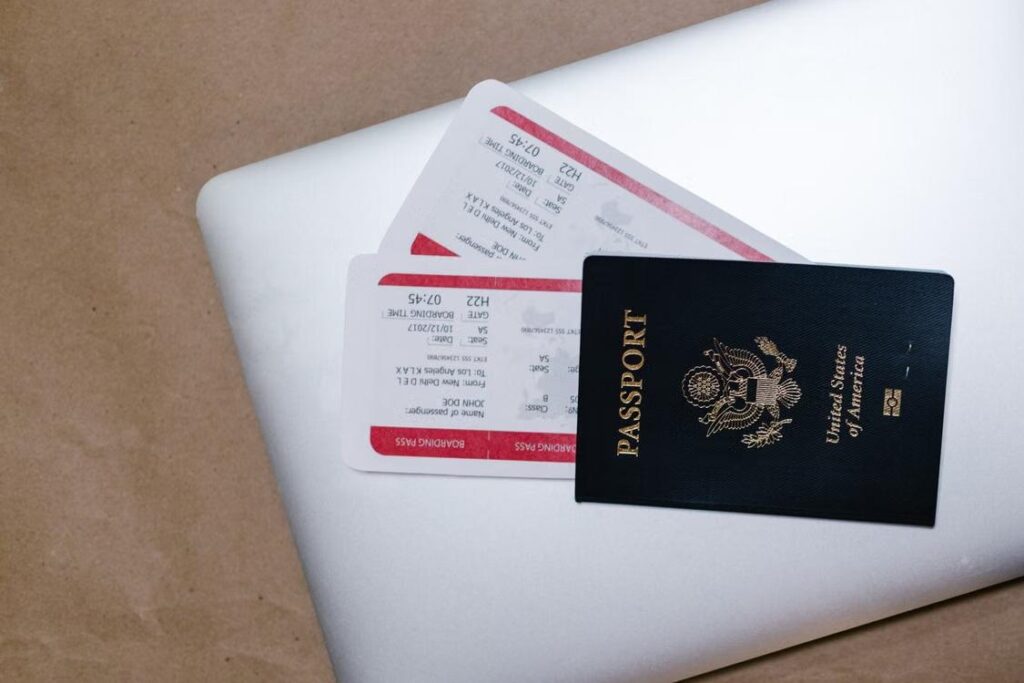
A dental implant that costs thousands of dollars in Dallas can run a fraction of that price in Turkey or Pakistan. It’s no wonder medical tourism has become such an appealing option for
seniors trying to stretch a fixed income, especially when Original Medicare doesn’t cover routine dental or vision care at all.
But is the upfront savings worth what you might give up in follow-up care, warranty protection, and peace of mind if something goes wrong three months after you’re back home? For beneficiaries across Dallas and Fort Worth weighing this decision, the honest answer is: it depends on what you’re comparing it to, and on what happens if the procedure doesn’t go exactly as planned.
This guide lays out what medical tourism for dental and vision care actually involves, what the advertised savings don’t include, and how domestic coverage stacks up against the trip.
What Medical Tourism for Dental and Vision Care Looks Like
Dental care is the most common form of medical tourism among U.S. residents, according to the CDC’s Yellow Book, the federal government’s reference guide for international travel health.
A new report from the CareQuest Institute for Oral Health found that nearly 9.6 million American adults, roughly 4% of the adult population, have traveled outside the U.S. for dental care at some point, most often to popular destinations like Mexico, Costa Rica, and Thailand.
Vision procedures follow a similar pattern. LASIK and cataract surgery are both commonly marketed to medical tourists, often bundled with recovery time at a resort. The appeal is straightforward: lower prices, and a destination people might want to visit anyway.
According to the CDC, dentists and other providers in destination countries aren’t always subject to the same licensure oversight as their U.S. counterparts, and medical tourism of any kind can increase your risk of exposure to antibiotic-resistant bacteria. That doesn’t mean every clinic abroad provides poor care, but it does mean the safety net you’d have at home doesn’t automatically travel with you.

The Real Savings, and What They Leave Out
The cost difference between domestic and overseas dental care is real, not just marketing.
CareQuest’s research points to root canal treatments running roughly $1,500 out of pocket in the U.S., compared to under $350 in Mexico, and more than half (58%)of Americans who’ve traveled for dental care cite lower cost as their primary reason.
That said, the comparison usually leaves a few things out of the sticker price:
- Travel costs, including flights, lodging, and time away from home, especially if a procedure requires more than one visit
- Any work needed to fix a problem after you return, which is billed separately and often at full domestic rates
- The value of a warranty or guarantee, which may not be enforceable, or even offered, once you’ve left the country
- Complications, which have no ceiling in the same way a straightforward procedure does
People who have already used up their annual dental benefit are more likely to travel for care, at a rate of 7.6% compared to 2.7% for those who haven’t, according to CareQuest. That pattern suggests cost, not curiosity, is the primary driver, which makes it even more important to understand exactly what you’re trading away for the lower price.

The Follow-Up Care Gap Nobody Advertises
Significant dental and vision procedures require follow-up. A crown needs adjusting. An implant needs monitoring while it heals. A cataract surgery needs a check-in to confirm your eye is healing correctly.
The American Dental Association puts it plainly: continuity of care matters, and patients considering care abroad should arrange follow-up with a U.S. provider before they travel, not after. The ADA also recommends maintaining a “dental home,” a provider who knows your history and can catch problems early, something that’s difficult to establish with a clinic thousands of miles away.
This is the structural problem with medical tourism that a lower price tag doesn’t solve. It’s not just about whether the procedure itself goes well. It’s about who’s available to help if a crown feels off six weeks later, or if healing doesn’t progress the way it should.
A local provider can see you the same week. A provider overseas generally can’t, and finding a domestic dentist willing to take over someone else’s unfinished work isn’t always simple either.
What Happens If Something Goes Wrong
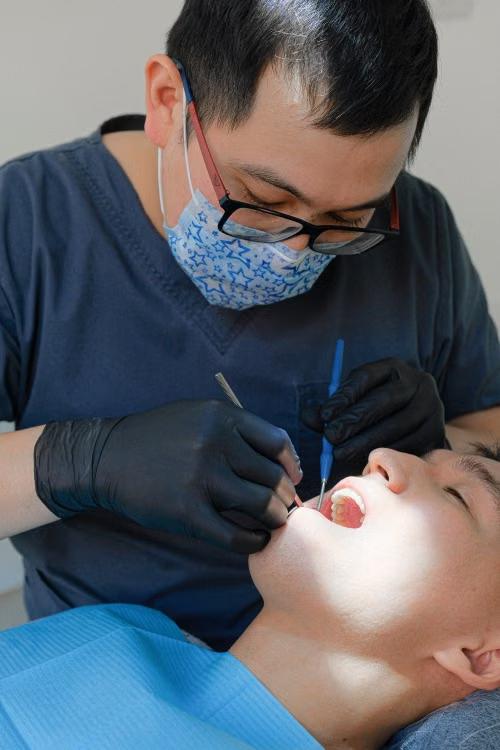
Complications are the scenario advertised prices never account for. If a dental or vision procedure abroad doesn’t go as planned, a few realities are worth knowing upfront:
- Your domestic dental or vision insurance generally won’t cover treatment received
- outside the country, and it may not cover the cost of fixing a complication once you’re home either
- Legal recourse for malpractice varies significantly by country, and pursuing a claim from the U.S. is often impractical
- Travel insurance policies don’t automatically cover elective procedures or their
- complications; this typically requires a specific medical travel policy
- A second trip abroad, or an emergency domestic repair paid entirely out of pocket, can erase the original savings quickly
None of this means every medical tourism experience ends badly. Many don’t. But the financial and logistical exposure sits entirely with the patient, which is worth weighing seriously before booking, not after a problem shows up.
Consider a beneficiary who gets a dental implant placed abroad for a fraction of the domestic price. Three months later, the implant feels loose. The clinic that placed it is thousands of miles away, and the beneficiary now faces a choice: book a second international trip and hope the same clinic will honor the work, or pay a domestic specialist, often at a higher rate for corrective work than for an original procedure, to fix someone else’s implant.
Either path adds cost and stress that the original price quote never mentioned.
Weighing Domestic Dental and Vision Coverage
For many seniors, the more practical alternative isn’t a cheaper flight; it’s making sure domestic coverage actually fits the procedures they need. Many Medicare Advantage plans in Dallas include dental and vision benefits as part of the plan, often with no separate premium, and the same is true of many Medicare Advantage plans in Fort Worth, covering routine exams, cleanings, and a meaningful allowance toward larger procedures.
Reviewing the dental and vision coverage available through Medicare4USA is a reasonable first step before deciding a trip abroad is the only affordable path. A domestic plan with the right allowance can close much of the cost gap that makes medical tourism appealing in the first place, without giving up a local provider for follow-up care, warranty protection, or a dentist or eye doctor who already knows your history.

How Medicare4USA Can Help You Compare Your Real Options
Deciding between medical tourism and domestic coverage isn’t a decision you should have to make from a place of guesswork. As a health insurance agent in Fort Worth, or a Medicare agent working with clients across Dallas, our team can walk you through exactly what your current plan covers for dental and vision care, and where the gaps are that make an overseas trip look more appealing than it might need to be.
We’ll help you compare the numbers honestly: what a domestic plan actually costs versus covers, against what a trip abroad would really require once travel, follow-up, and worst-case scenarios are factored in. If a domestic plan can close most of that gap, you may not need to travel at all to get the coverage you’re looking for.
Contact us today, and let’s find out whether the coverage you need is closer to home than you think.